

The great tree arched over the gravel road at the entrance to our property. Judged by its five-foot diameter trunk, the tree was more than 120 years old when it died.
It was the biggest elm around here, and we watched it with something close to reverence. You could see it from far down the road. It said to us, “almost home.” But when the bark started to bleed in wide white streaks down the trunk, we knew it was dying of Dutch elm disease.
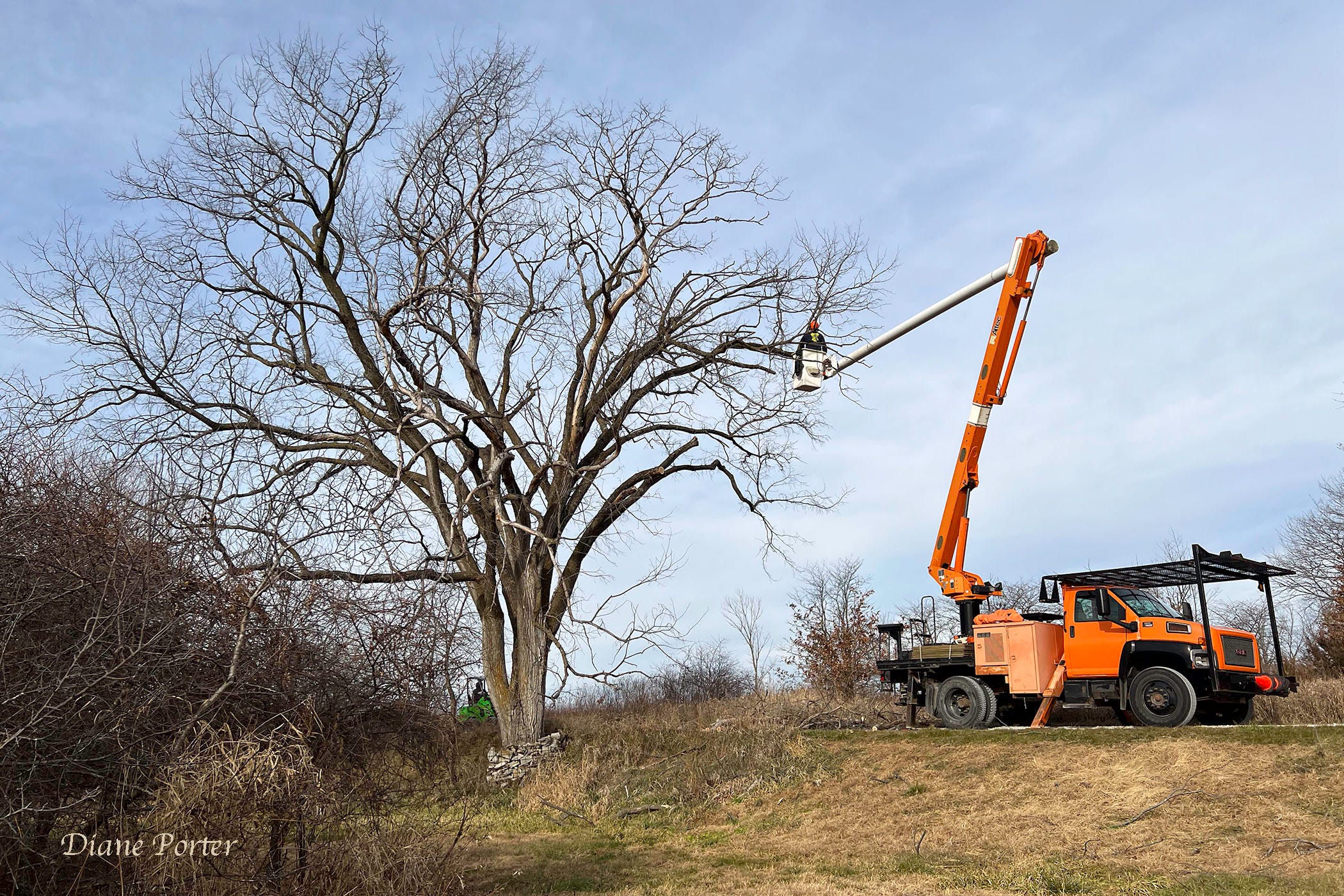
It did not expire immediately. The crown gradually became more sparse, but the old tree kept putting out green leaves for another five years.
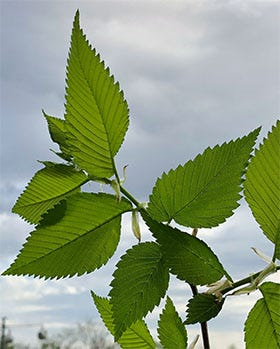
In late winter of 2019, the white steaks covered half the trunk. Yet in April, leaves appeared again.
OK, maybe it has this one last year, I thought.
However, at the height of spring that year, suddenly the tree could no longer conduct water from root to foliage. In a single day all the leaves wilted. By summer, the branches were bare as winter.
We called expert arborist Eli Morgan. With the respectful skill of a surgeon, he removed all limbs that extended over the road. At our request, he left standing everything that was not a danger to life or vehicle. For woodpeckers.
For the elm’s life after death.


Over the next few years, the bark sloughed off in huge slabs still shaped by the curve of the trunk.
Dead elm creates new life
Woodpeckers need dead and dying trees. That’s why we left the elm standing.
A pair of Red-headed Woodpeckers came and hammered holes and excavated nesting cavities. In a high trunk, male and female took turns incubating the eggs. I knew the eggs had hatched when both parents started bringing food to the baby woodpeckers every few minutes.
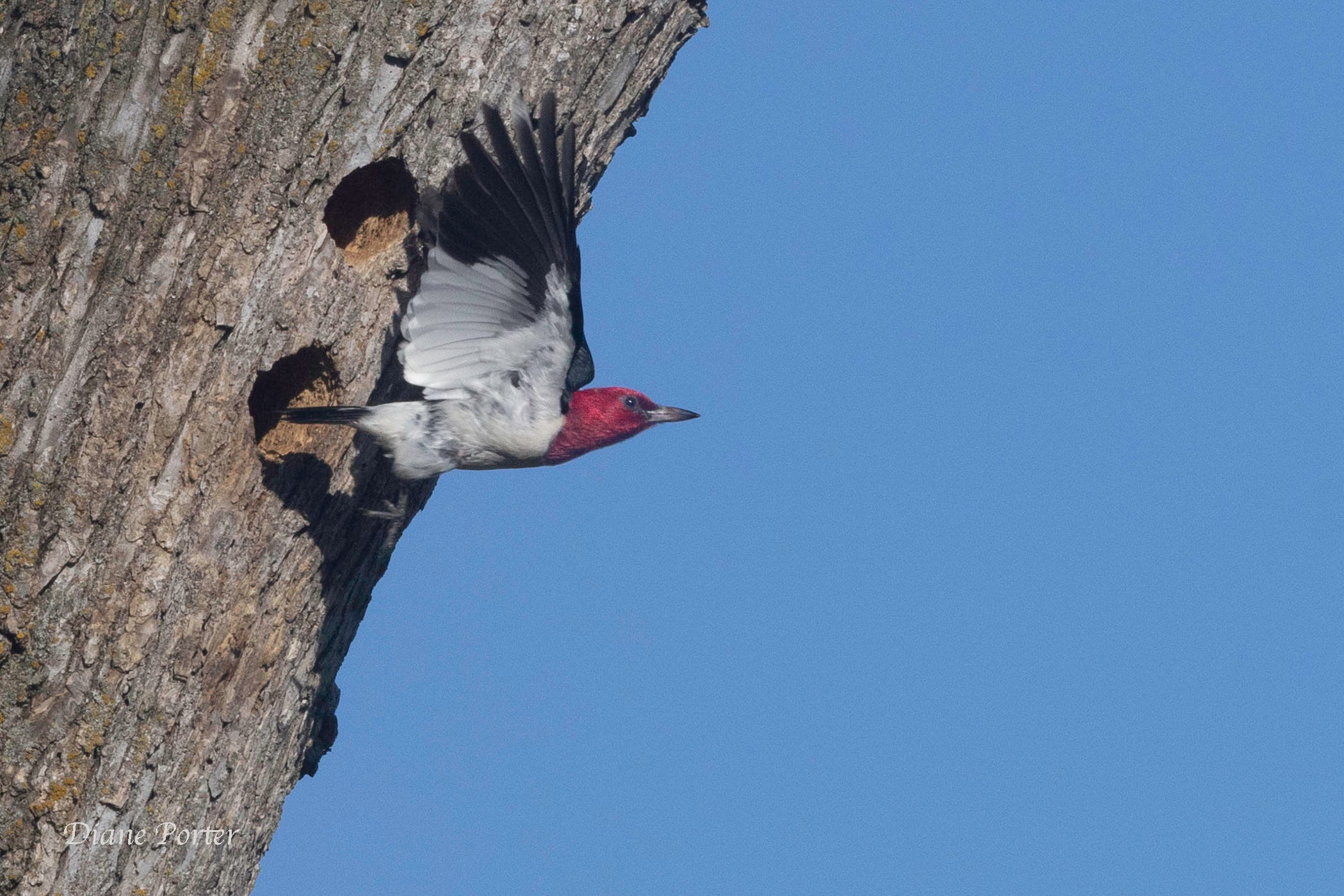
If the inner walls of a cavity stay firm, Red-headed Woodpeckers use the nest hole for another brood. But if the wood gets soft or soggy, they abandon it and start over.
Old cavities are hot property for other hole-nesting birds who cannot excavate on their own.
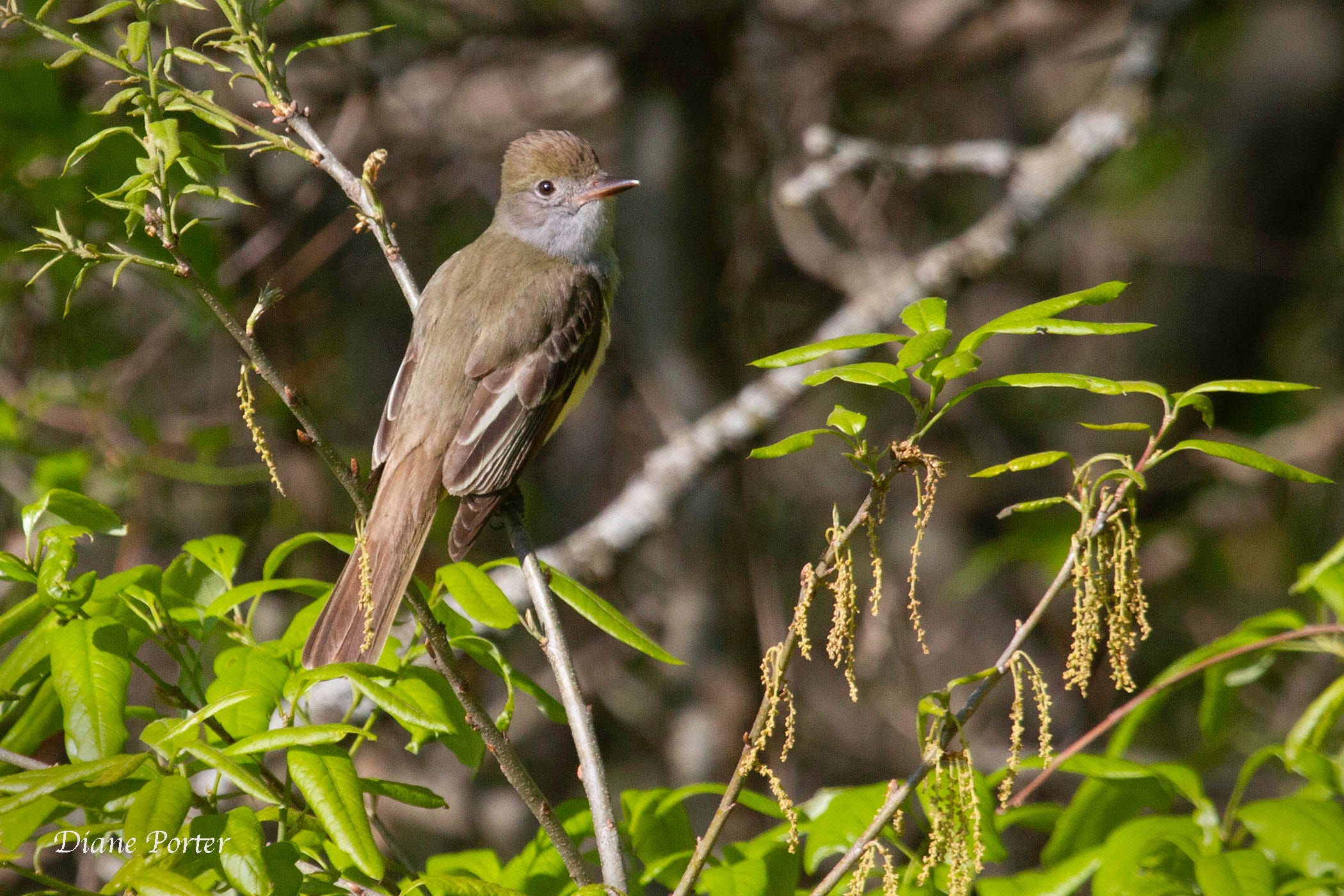
Last summer, several times I saw a Great Crested Flycatcher loitering in a shingle oak next to the elm snag, as if surveying it. A big dead tree out in the open like this is an ideal nesting site for this species.
Great Crested Flycatchers nest only in holes, for which they are utterly dependent on woodpeckers.
Bluebirds, chickadees, nuthatches, and titmice also repurpose old woodpecker holes for nesting.


Although chickadees can’t peck a new hole, they can sometimes enlarge an existing one if the wood is rotting and soft.
One morning I heard a hollow tapping from inside a stub of trunk.
As I searched for the source of the sound, a Black-capped Chickadee popped its head out of a hole, its beak full of sawdust. Bill opened. Sawdust blew away on the breeze. The chickadee’s head disappeared back down into the hole. And the tapping began again.
Fungus among us
Meanwhile, other life forms found a home in the death of the tree.
At the height of my head, Golden Oyster Mushrooms sprang from the elm’s collapsing bark. After the mushrooms turned brown, a House Wren discovered they made a fine platform on which to sunbathe.


Many species of birds hang out in the bare top branches, which offer a commanding view for miles around. Year around, crows perch there and caw at me when I drive past the tree. In late summer Turkey Vultures took over the top branches. Once a Bald Eagle perched there.
Dutch elm disease
The malady is caused by a fungus, carried by bark beetles. The beetles and fungus arrived in the United States in the last century on logs imported from Europe. American Elms did not evolve in proximity to the disease, and so they have no defense against it.
It is now so pervasive that almost all American Elms get it, and nearly all will die of it. However, young trees don’t get Dutch elm disease until their bark begins to furrow, at about 15-25 years old. Many live long enough to flower and make seeds. The species will not be wiped out.
But American Elms will no longer grow old. If not for the disease, our elm could easily have lived another 200 years. The opportunity to look up into such a patriarch elm’s branches will probably never come again.
While I mourn the loss of this great tree, I still watch it and celebrate its myriad signs of life.
We have 50 acres of woods here in Maine and consider ourselves stewards instead of owners. We have kept it untouched for almost 50 years, letting the trees live and die as you have your Elm…consequently supporting many birds and animals. It may be just a grain of sand on the planet, but as long as we are here it will remain wild.
The disease has had a tremendous impact. Here in the PNW, we are now facing the Emerald Ash borer, which has already done significant damage in other regions. PNW Scientists are warning about a major impact on our ash trees. But your reminder that dead trees contribute to the living is wonderful!