

I have a Bloodroot in the shady garden by my living room window. Four years ago, I planted one that a friend gave me, sharing a treasure of her woodland garden.
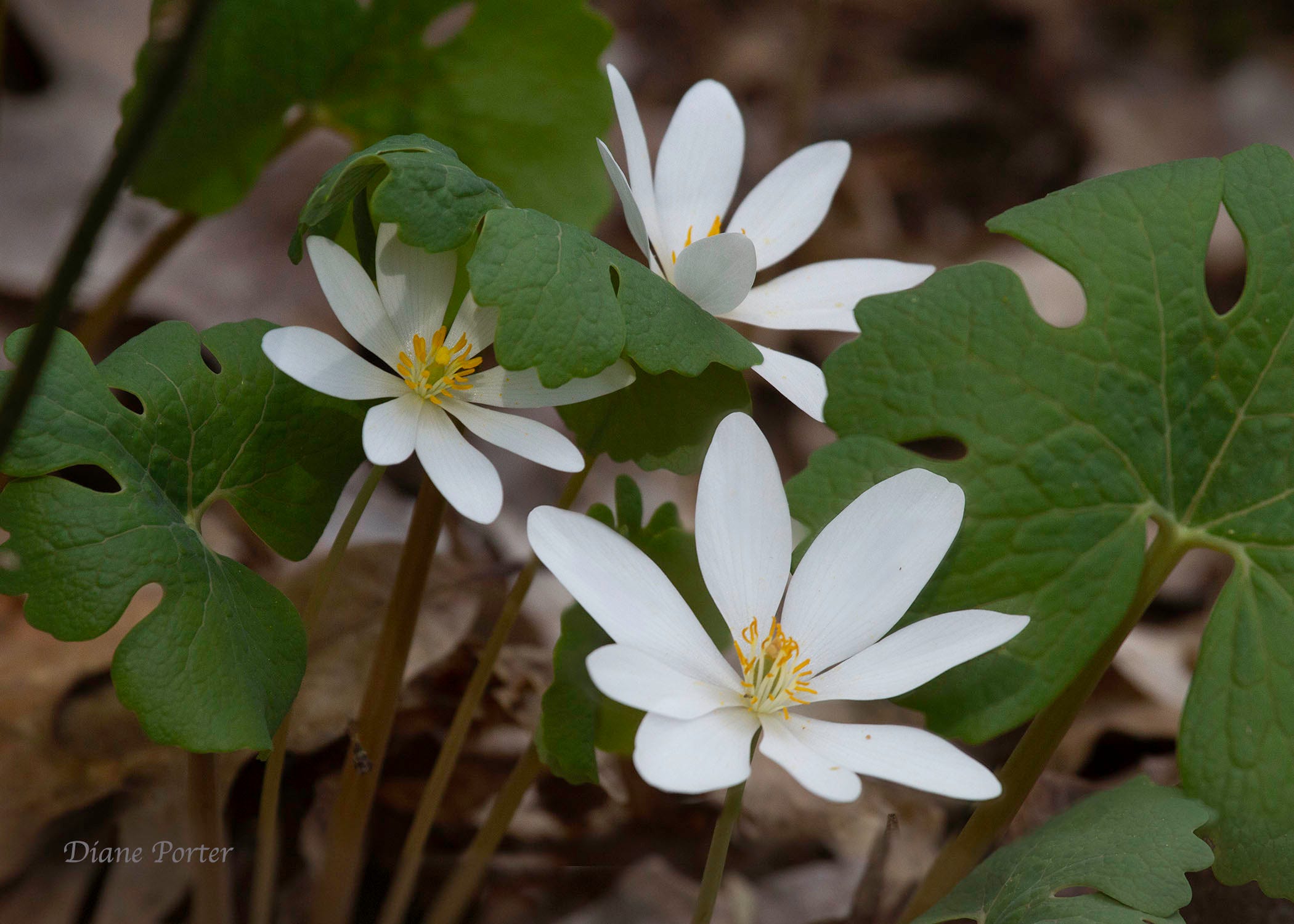
For the first two years, my Bloodroot made leaves only. In the third year, it produced elegant, white flowers in early spring. When the flowers passed, I found two small seedpods. I watched them carefully for weeks, so that I could collect seeds.
One morning, one of the pods was open and empty. I searched the ground under the plant, hoping to find at least a few seeds.
Nothing. I'd missed them.
Resolving to catch the seeds of the second pod, I put a mesh drawstring bag over it. When that pod opened, I collected 17 seeds the size of poppy seeds.
I looked at some under the microscope.


Each seed was bright red and round, with a glistening swoosh of something white stuck to one side. The swooshes looked smooth and rubbery. I put the seeds in a small bowl on my kitchen counter.
An hour later, I saw a large ant race across the counter carrying one of the red seeds in its jaws. Ant and seed quickly disappeared into a crack in the woodwork.
What the…
A Google search explained. Bloodroot uses ants to plant their seeds. The ants collect the seeds and carry them into the underground colony where they raise their brood.
The ants peel off the swooshes (called elaiosomes) and eat them or feed them to developing larvae. Then they carry the actual seeds, which they are not interested in, to their dump, along with feces and other colony detritus.
That dump turns out to be a well-aerated, well-fertilized seedbed, perfect for new Bloodroots to grow.
Ant work
Besides Bloodroots, many other flower species harness ant energy to propagate themselves, including violets, trilliums, wild ginger, and bleeding hearts.
The elaiosomes contain sugar, oil, or proteins, all good things for ants to eat.
Future of my Bloodroots
I planted my 16 seeds but wasn’t surprised that they didn’t come up the next year. Bloodroot seeds require two cycles of winter-and-warming before they germinate. This spring I’ll closely watch where my seeds are planted, in an an outdoor area protected from chipmunks and squirrels.
This second year, if they come up, I can start spreading this native wildflower, Bloodroot, into my woods. Wish me luck.
I so love your patient observant eyes that see all that happens around your yard and in your forest.
What a lovely bit of botanical fact, beautifully told! Thank you for this, Diane, and thanks to the botanists who dug deep to learn what was going on here. A reminder that we live in a world full of everyday miracles!